Share
Hospitality Cannot Be an Afterthought
Why most non-alcoholic bars in NYC fail
Non-alcoholic spaces are being celebrated as cultural change. Headlines praise sober curiosity and the rise of zero-proof venues. The interest is real, but interest is not infrastructure. Many sober bars that opened in the last three years have already closed. The problem is not demand. It is a failure to understand hospitality.
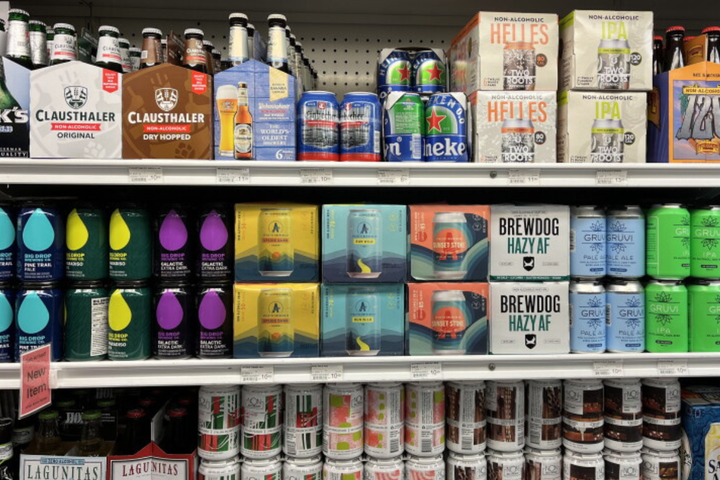
People talk about non-alcoholic bars in NYC as though they are all the same thing. They are not. That would be like grouping every place that serves alcohol into one category. A dive bar and a cocktail lounge both pour drinks. Nobody would call them the same experience. The same logic applies here, and ignoring it is part of why most of these spaces struggle.
Built on Absence Instead of Experience
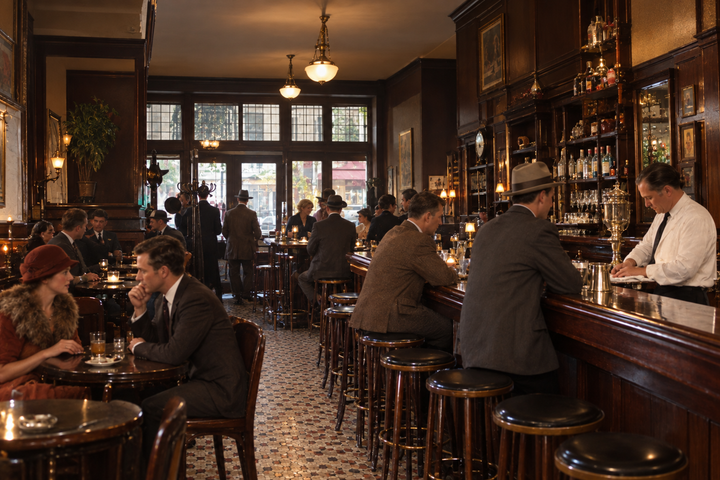
Too many venues define themselves by what they do not serve. Abstinence. Wellness. Lifestyle slogans. That may draw a niche crowd, but it rarely builds a space people return to. Hospitality cannot be built on absence. A successful bar is rhythm, light, sound, timing, and care. Without those, a venue has a mission statement, not atmosphere.
Walk into most zero-proof bars in New York and you will notice it immediately. The lighting is flat. The music is wrong, or missing. The service feels transactional. The drinks are fine. But "fine" has never been enough to keep a bar alive. Not an alcohol-free one, and not a traditional one. The spaces that survive, in any category, are the ones that understand that the drink is only part of the equation.

The Role of Kava, Kratom, and Others
There is real confusion when kava lounges or kratom bars are grouped with non-alcoholic cocktail bars. These places are exactly what they claim: kava bars, kratom bars, cannabis lounges. They serve their communities and they serve them well. But they are not bars that simply happen to serve kava or kratom.
For someone sober curious, walking into one of those spaces can feel limiting. They are designed for one product, not the dynamic of a bar. The experience is different, the intent is different, and the audience is different. Grouping them all together under "non-alcoholic" does a disservice to every category.
Hospitality done right makes the contents of the glass almost irrelevant. The guest is already having a good time.
What People Actually Want
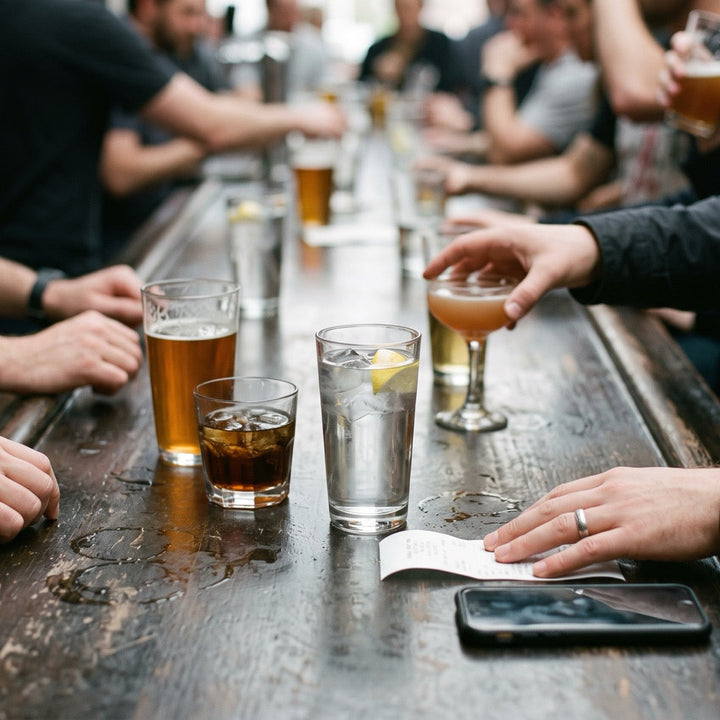
The role of a bar has always been bigger than the glass. People come for conversation, intimacy, connection. Coffee shops rarely provide that dynamic. Bars do. Remove alcohol and that dynamic should not vanish. If anything, it must be stronger. Without intoxication to hide flaws, details matter more. The music has to be right. The lighting has to be considered. The service has to be warm without being performative.
And the space must welcome both non-drinkers and people who still drink sometimes. If it feels like a club with rules, it will never grow. For any non-alcoholic bar to succeed in this category, sobriety cannot be the price of entry. The experience has to be the reason to stay.
What We Have Learned
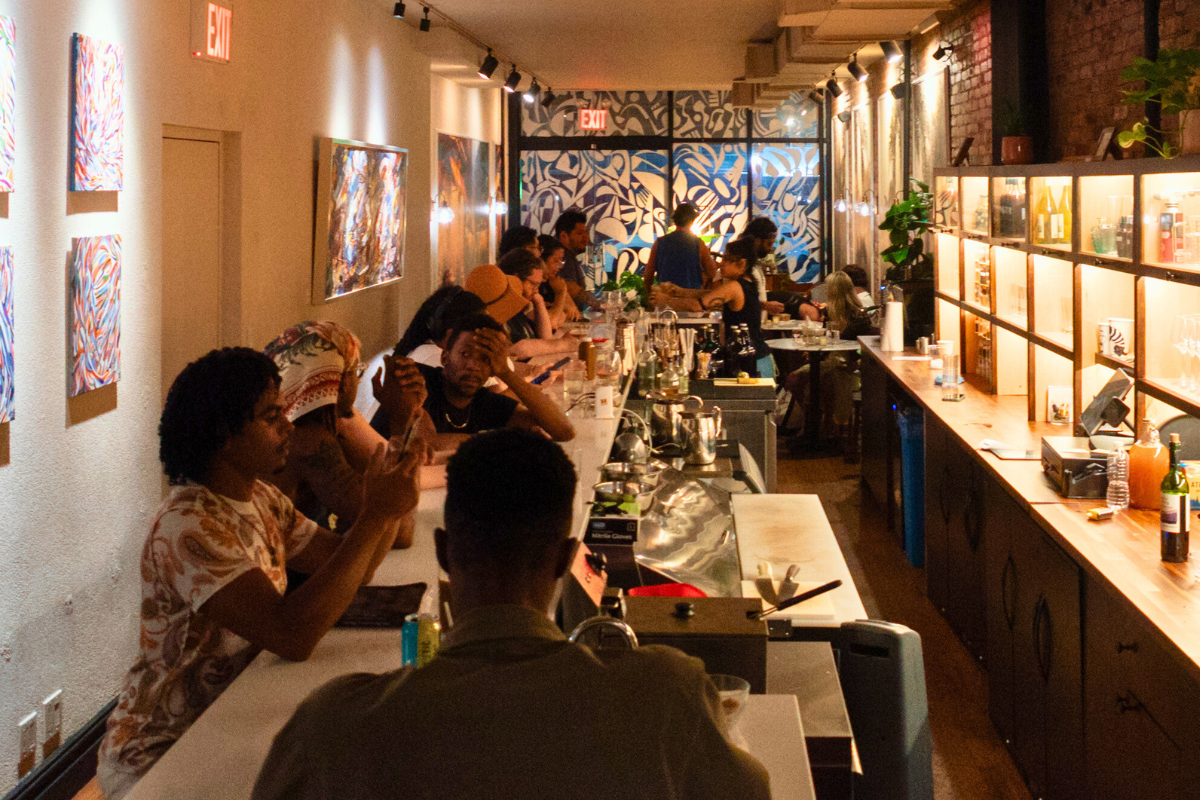
At No More Cafe, we have been open for almost two years. It has been a process of constant learning. Some ideas worked. Some did not. We refined and adjusted. Building a sustainable non-alcoholic bar requires the same discipline as building any bar. There are no shortcuts because it is alcohol-free.
What we know is that community is everything. Guests want a place that feels alive, a place they can return to, a balance between the calm of a coffee shop and the energy of a bar. That is not a wellness pitch. It is hospitality.
The Reality
The opportunity in non-alcoholic hospitality is real, but only if spaces are built with the same care as any bar. Mission statements are not enough. Wellness slogans are not enough. Guests want to feel welcome, entertained, connected. Until NA spaces deliver that, they will remain fragile.
Non-alcoholic bars in NYC are not all the same. They should not be treated that way. And the ones that figure out hospitality first will be the ones still standing five years from now.