Share
Why Non-Alcoholic Drinks Cost What They Cost
The industry spends millions trying to remove alcohol. We skipped that step entirely.
The most common question people ask when they see a non-alcoholic cocktail priced at $15 is some version of: "But there's no alcohol in it. Why does it cost the same?" Fair question. But it starts from a wrong assumption. That the alcohol was ever the expensive part.
Alcohol Is the Cheapest Ingredient in Any Drink
You can make alcohol at home for close to nothing. Sugar, water, yeast, time. That is it. The ethanol itself has almost no value. What costs money is everything around it: the grain bill, the botanicals, the barrel aging, the branding, the distribution, the rent.
Go to any liquor store. You do not look at the alcohol content to decide if a bottle is worth the price. Some of the cheapest bottles on any shelf are high-proof garbage. A $12 bottle of overproof rum has more alcohol than a $60 bottle of bourbon. Nobody thinks the rum is the better deal. You are not paying for the ethanol. You are paying for what was done with it.
Wine works the same way. A 14.5% Napa Cab costs $80. A 13% Burgundy costs $200. Nobody argues the Napa should cost more because it has a higher ABV. Beer too. A 3% session ale and a 9% imperial stout sit on the same shelf at the same price. The alcohol content is irrelevant to the value.
So when someone says a non-alcoholic drink should cost less because it has no alcohol, they are asking for a discount on the one ingredient that was never driving the price in the first place.
You are not paying for the ethanol. You are paying for what was done with it.
What Actually Drives the Price
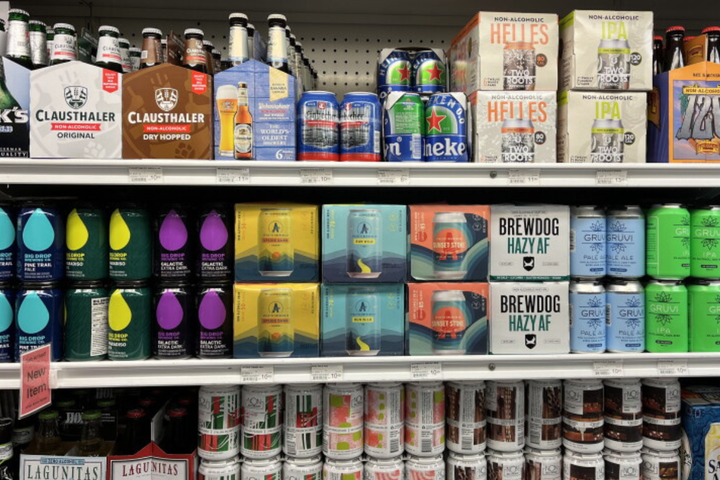
Most non-alcoholic beers start as regular beer. Same grain, same hops, same fermentation. Then the brewer has to pull the alcohol back out. Vacuum distillation, reverse osmosis, spinning cone columns that cost $500,000 to over a million dollars. Heineken 0.0 took four years of R&D. Guinness invested 25 million euros in a dedicated facility. After all of that, every batch still requires aggressive pasteurization because alcohol is a natural preservative and without it, pathogens can survive for up to 63 days at room temperature. The federal excise tax on a single beer is about five cents. That is not what is driving the price.
Non-alcoholic wine is even harder. Remove 12 to 15 percent of the liquid's volume and you collapse its structure. Producers spend hundreds of thousands on equipment, then have to add back grape must, glycerol, and tannin extracts to rebuild what the alcohol was holding together. Some have given up on dealcoholization entirely, building wine proxies from scratch using verjus, tea for tannins, and botanicals for complexity. Those bottles still run $30 to $40.
NA spirits face a different problem. Ethanol is an excellent solvent for extracting flavor from botanicals. Water is not. Without it, you need up to ten times the quantity of ingredients for the same intensity. Some producers spend six weeks distilling each botanical separately before blending. A single product can take two or more years to develop. Bottles retail at $30 to $40, the same as mid-tier liquor, because the production complexity justifies it.
The federal tax on a shot of spirits is about 13 cents. On a glass of wine, four cents. The "no alcohol tax" savings are meaningless compared to what it actually costs to produce these drinks.
So Why Are We Different
Everything above describes an industry that starts with alcohol and then tries to take it away. Brewers ferment, then dealcoholize. Winemakers vinify, then strip. Spirit brands distill, then rebuild. Billions of dollars, all dedicated to removing something and then trying to put the flavor back.
We skipped that step entirely.
We treat our cocktails the way a good restaurant treats its sauces. If you have worked in a professional kitchen, you know what goes into a single liter of gastrique or demi-glace: pounds of ingredients, hours of reduction, layers of technique. That liter costs between $20 and $100 to produce. Nobody questions the price.
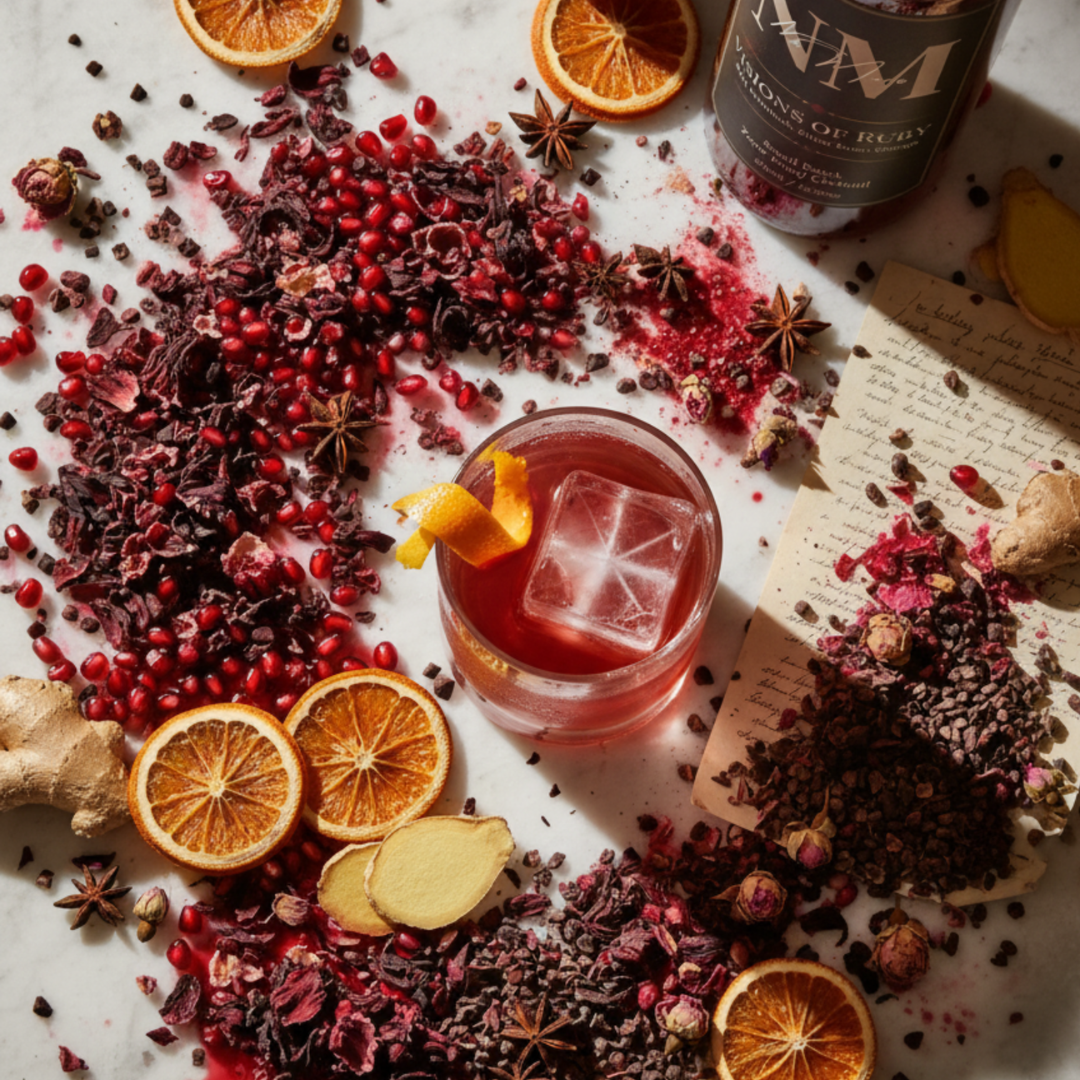
We source ingredients most bars would never stock. Cardamom. Cinchona bark. Vanilla. Dried figs. Lapsang souchong tea. Angelica root. Each one prepped individually, cooked, and layered to build complexity from the ground up. No base spirit. No universal neutral liquid with different flavor extracts swapped in.
Most NA brands are essentially the same product with different flavoring. One base, multiple labels. We build each drink as its own thing.
The industry spends millions and years of engineering to give you a version of a drink that already exists, minus the alcohol. More often than not, the result is a compromise. We never saw the point in that. Why work that hard to make a worse version of something?

We Would Rather Just Make a Great Version of Something New
No More Cafe. 352 E 13th Street. East Village. Open daily, noon to midnight.
For more on where this category is heading, read the quiet consolidation of non-alcoholic drinks.