Share
Congress Just Banned the THC Drink. Here's What It Means.
A quiet change to the federal definition of hemp wipes most THC seltzers and gummies off store shelves by November 2026. What the law does, and what it means for you and for the category.
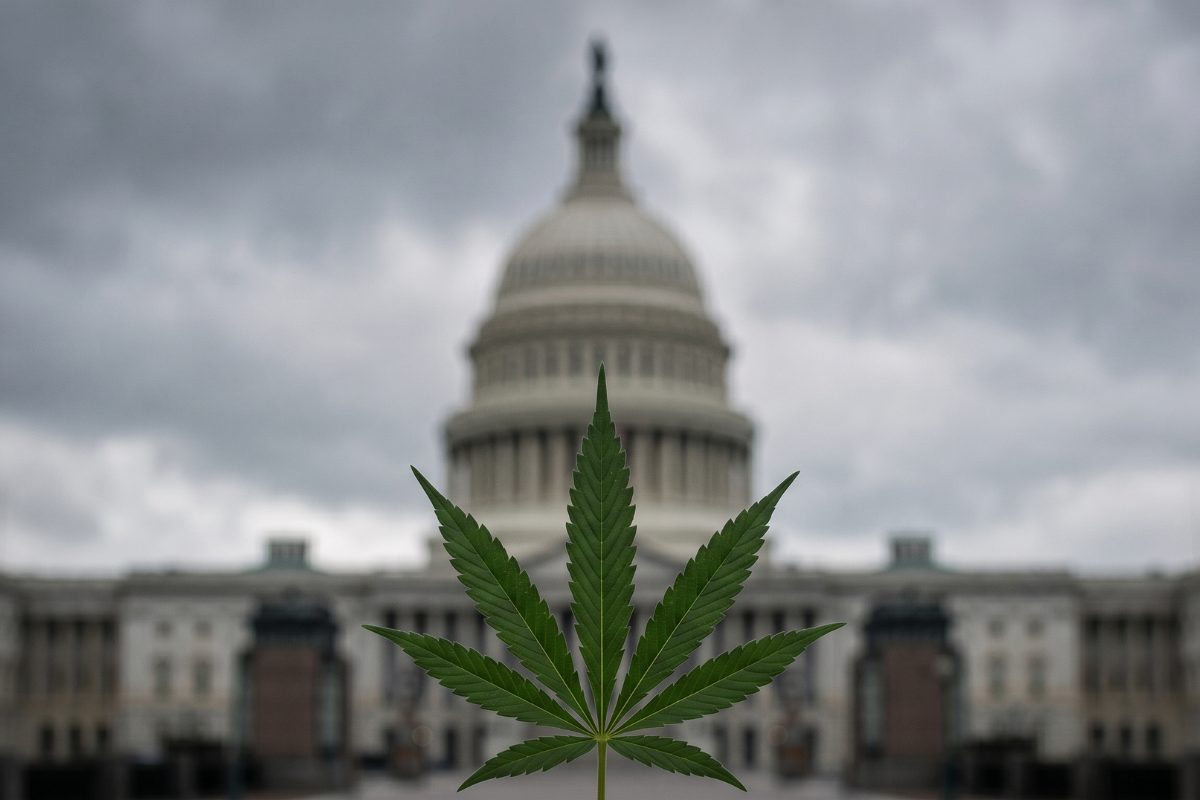
If you have been buying THC seltzers or gummies off a store shelf, that is about to end. In November 2025, Congress quietly rewrote the federal definition of hemp, and the change makes nearly every intoxicating hemp product illegal to sell starting in November 2026. It did not get much attention, because it rode in on the spending bill that ended the government shutdown. But for a category that grew past a billion dollars on a definition almost nobody intended, it is the biggest thing to happen in years. Here is what the law actually does, what it means if you drink these products, and what it means for the industry.
What the law does
For seven years, the 2018 Farm Bill set the rules. It legalized hemp and defined it by a single measure: delta-9 THC under 0.3 percent by weight. That narrow definition left a gap, and an entire industry of delta-8 gummies, THC seltzers, and hemp-derived drinks grew up inside it, legal at the federal level and sold in ordinary stores.
The new law, signed on November 12, 2025, closes that gap two ways. It switches to a total THC standard, which counts THCA and the other forms the old rule ignored. And it caps a finished product at 0.4 milligrams of total THC per container. Lab-made cannabinoids like delta-8 and HHC are cut out of the hemp definition entirely. The changes take effect in November 2026, a one-year runway.
Put the numbers together and the scale is clear. A typical THC seltzer holds 2.5 to 10 milligrams. Gummies run 5 to 25. The new ceiling is 0.4 milligrams per container. Industry groups estimate that roughly 95 percent of hemp-derived cannabinoid products fall outside the new line.
A typical THC seltzer holds 2.5 to 10 milligrams. The new ceiling is 0.4 milligrams per container.
What it means if you buy them
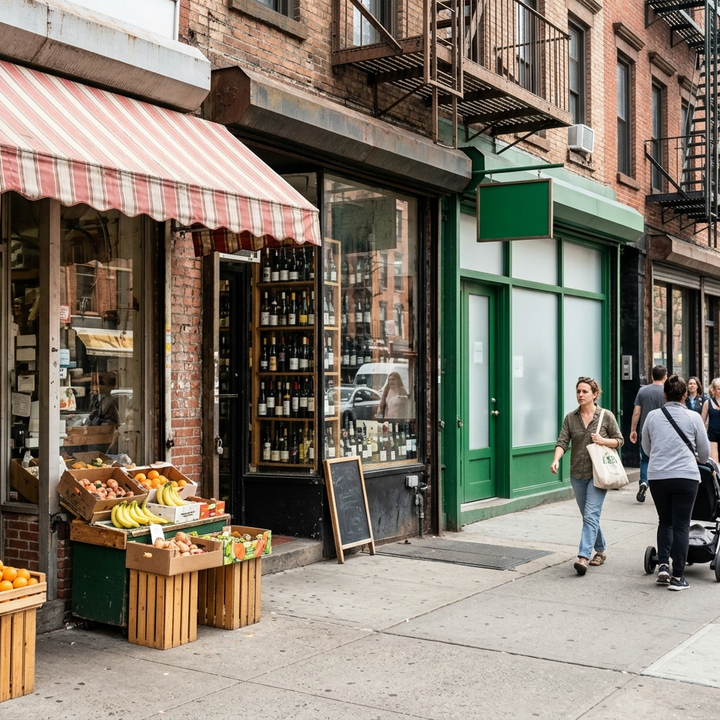
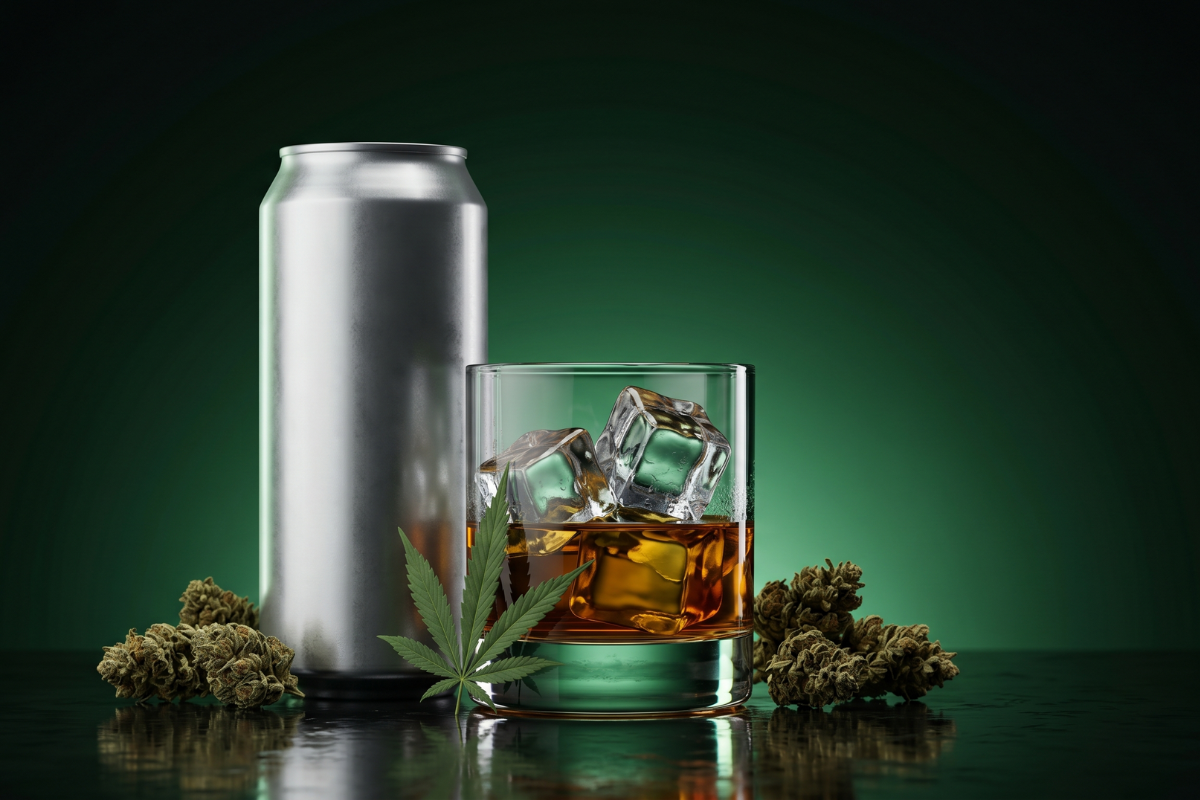
In practical terms, the hemp-derived THC drinks and edibles you can grab today at Total Wine, Target, or a corner Circle K are scheduled to come off those shelves by late 2026. The products that survive are the non-intoxicating ones that fit under the cap, plus traditional CBD that meets the same bar.
That does not mean THC drinks vanish everywhere. States that built their own regulated cannabis markets still have them, sold through licensed, age-gated channels rather than the grocery aisle. Minnesota, for example, set its own 10-milligram-per-container rules back in 2022. The likely outcome is not that these products disappear, but that they move from the open hemp market into state cannabis systems, where they are dosed, labeled, and taxed differently. For a casual buyer, that means fewer options in regular stores and more friction to find them.
What it means for the industry
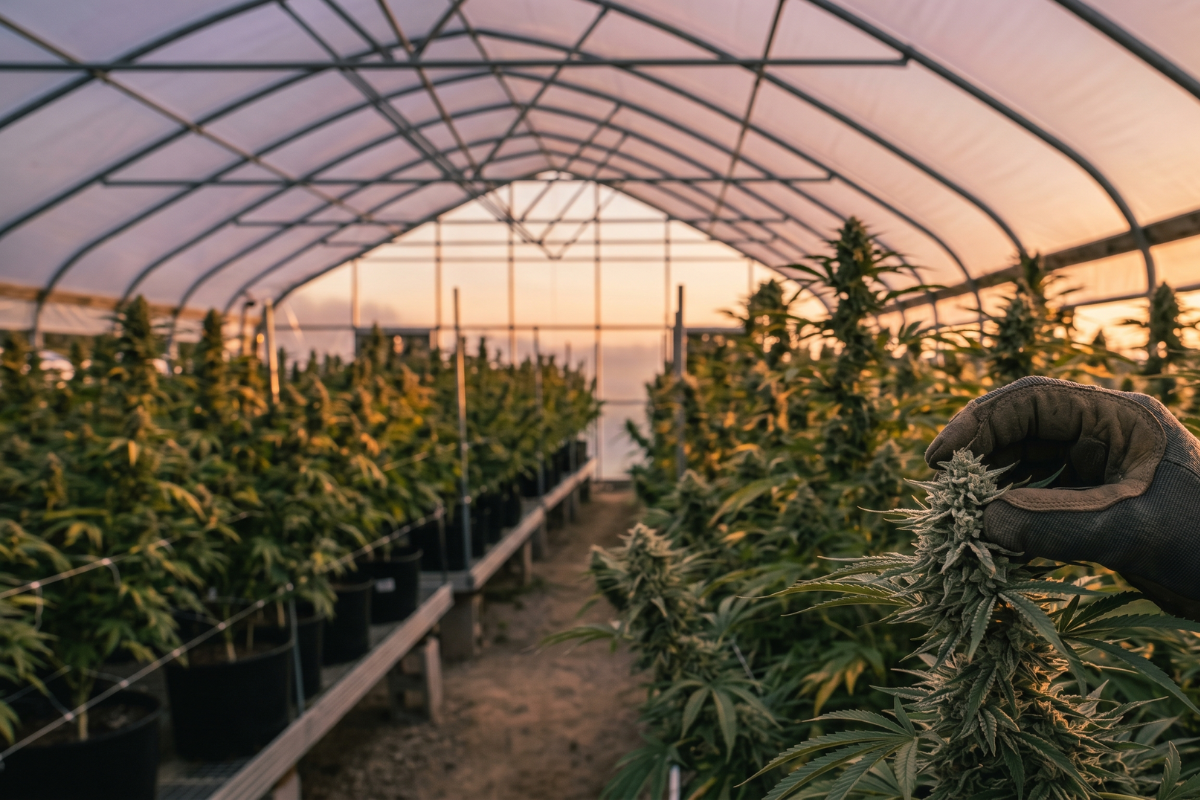
This is a real shock to a young category. THC beverages alone passed 1.1 billion dollars in US sales in 2024, and the broader hemp-cannabinoid business is far larger. Brands built entirely on hemp-derived THC, along with craft brewers who leaned on THC seltzers to offset falling beer sales, face the hardest hit. Retailers have shelves to clear.
The reaction has been telling. Cann's chief executive called the deadline a one-year shot clock to finally win a real regulatory framework, and several brands reported sales spikes as customers stocked up. Even the alcohol industry's own wholesalers criticized the move, warning that a flat ban will not remove these products so much as push buyers toward unregulated online sellers with no age checks. The cleaner fix, most operators agree, was regulation, not prohibition. Whether the survivors can move into state cannabis systems fast enough is the open question.
Will it actually happen?
For now, November 2026 is the date. The House passed its 2026 Farm Bill on April 30 without any language to delay the ban, and an amendment to push it back was withdrawn. A bipartisan group of senators has floated bills to move the deadline to 2028 or let states opt out, but none has passed. Treat the deadline as real, and everything trying to move it as lobbying, at least until something changes.

Where this leaves us
Honestly, not anywhere. The ban does not touch what we do. If anything, we would have liked the option to experiment with CBD or THC tinctures behind the bar, the way a kitchen plays with any new ingredient, but that was never legal in New York to begin with, so the question was always moot for us.
So we are watching this one as observers, not as a side. The interesting part is what comes next: whether these brands can move into state cannabis systems, reformulate under the cap, or fold, and how a billion-dollar category rebuilds itself around a rule it did not see coming.
Editorial note. This piece is informational and reflects the rules as of June 2026; it is not legal advice. The federal hemp changes under H.R. 5371 are scheduled to take effect in November 2026, and pending legislation could still delay or alter them.