Share
The City Just Extended Drinking to 4 A.M. for the World Cup. Here Is What That Misses.
Half the football world cannot legally drink in sight of the pitch. A short history of FIFA and alcohol, from a room showing every match.
In England, drinking a beer in view of the pitch at a football match is a criminal offense, and has been since 1985. On Tuesday, New York signed a law letting bars pour until 4 a.m. for the length of the World Cup. Those two facts describe the same sport, and the distance between them is the most interesting beverage story of this tournament. The world's game has spent forty years learning, the hard way, to separate the match from the drink. The country now hosting it never went through that reckoning, and its first instinct was to extend last call.
We have skin in this game: we run an alcohol-free room in the East Village, and we will be showing every match of the tournament. So consider this an operator's field guide to the strangest relationship in sports, the one between FIFA and alcohol.
The sport that does not trust the drink
Start in the country that invented the game. At a Premier League match you can buy a beer on the concourse, but carrying it to your seat is illegal under the Sporting Events Act of 1985, passed in the worst years of hooliganism. Fans drink facing a concrete wall, then walk back to the football. Scotland went further after the 1980 cup final between Celtic and Rangers ended in a pitch invasion: a total stadium ban, in force for forty-five years and counting. France banned stadium alcohol sales in 1991. In Spain the matchday beer at Camp Nou and the Bernabeu is 0.0 by law. Germany, famously, pours in the stands without incident, and it is the exception that proves how deliberate everyone else's rules are.
None of this is temperance culture. These are football countries. They restricted the drink because they love the game, and because they learned what the two do to each other in close quarters. That is the context the American coverage of the 4 a.m. law never mentions: by the standards of the sport it is hosting, the United States is the permissive outlier.
Brazil said no. FIFA said Budweiser.
Brazil banned alcohol in its stadiums in 2003, for the same reason as everyone else: people were dying at matches. When the World Cup came, FIFA had a sponsor to protect, and its secretary general delivered one of the most honest sentences in the history of sports business: alcoholic drinks "are part of the FIFA World Cup," and that was "something we won't negotiate." Brazil's congress passed what its own press called the Budweiser bill, and the 2014 World Cup poured.
Here is the part that rarely makes it into English. The moment FIFA left, the bans came back. Stadium alcohol in Brazil is a state matter today, and Sao Paulo, the biggest football state in the country, still prohibits it under a 1996 law its supreme court upheld. Rio pours, Bahia pours, Sao Paulo does not. The country FIFA strong-armed on global television looked at the trade and went back to its own answer.
FIFA called alcohol non-negotiable. Eight years later its own tournament went dry two days before kickoff, and nobody left at halftime.
Qatar: the night the sponsor lost
In November 2022, two days before the opening match, Qatar banned beer sales at World Cup stadiums. The only thing left at the concourse was Bud Zero. Budweiser, sitting on a mountain of stranded inventory, tweeted "Well, this is awkward," deleted it, and eventually shipped roughly a million unsold beers to champion Argentina. The non-negotiable had been negotiated, in public, by the host.
And then nothing happened. The tournament became one of the most watched sporting events in history and ended with arguably the greatest final ever played. A billion people watched a World Cup where the stadium drink was zero proof, and the game lost exactly none of its pull. Whatever the matchday beer was supposed to be load-bearing for, the roof held without it.

The rules this summer
All sixteen stadiums will sell beer, but only for drinking in designated areas and fan zones, a quieter version of the European concourse rule that most American fans have never met at a sporting event.
BC Place in Vancouver carved out alcohol-free family sections entirely. And it is eighteen dollars a pour, with water at $8.75, which may police consumption more effectively than any law.
Where New York is actually watching
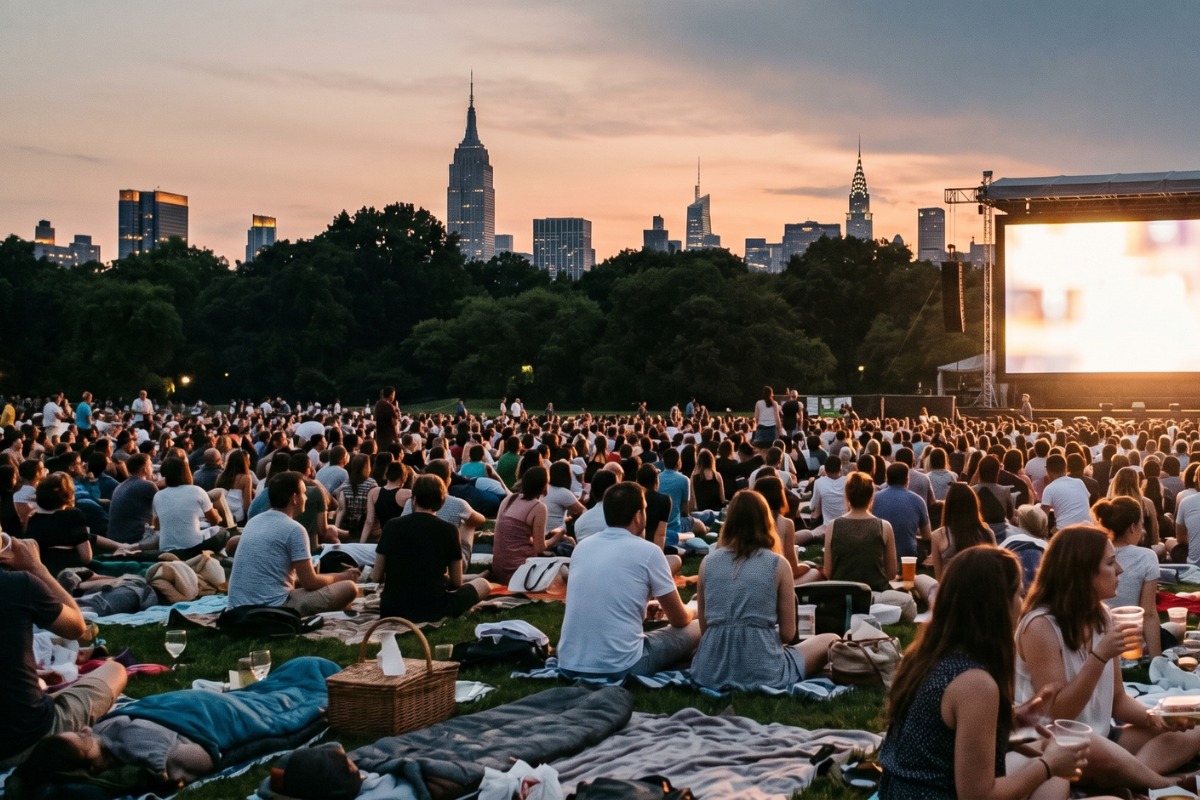
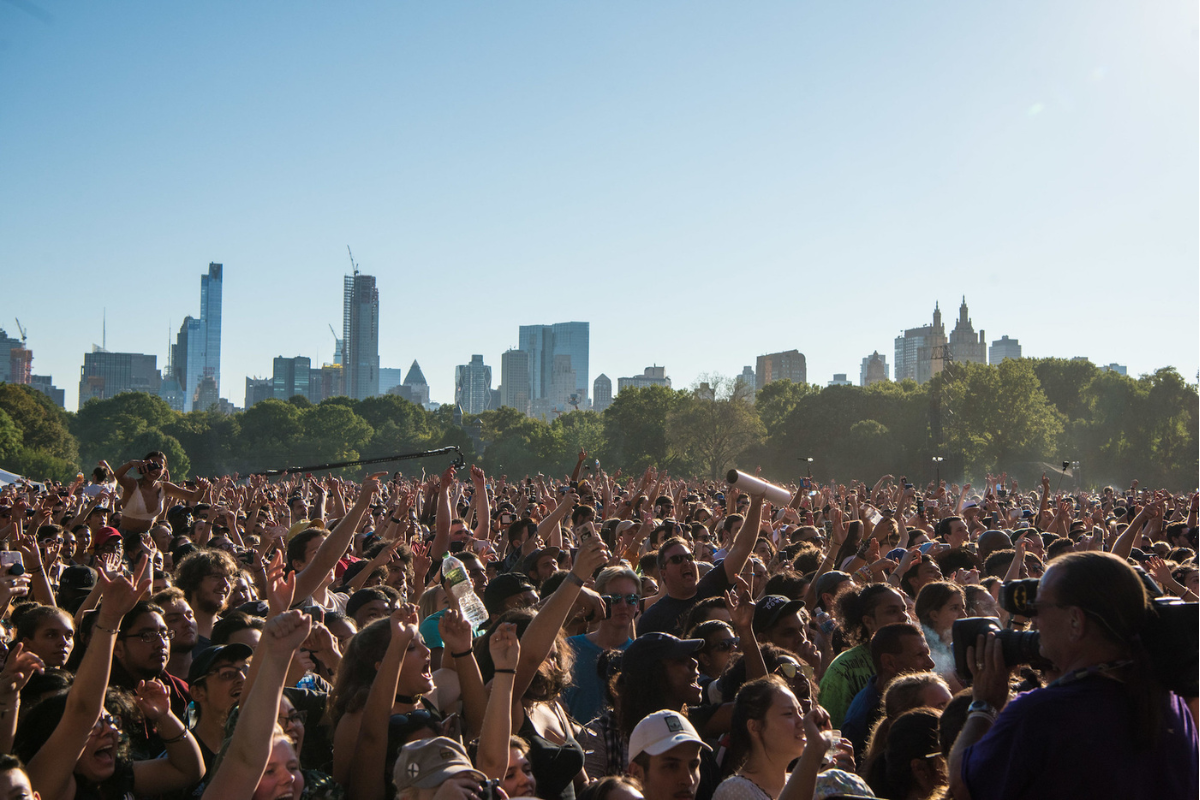
The 4 a.m. law got the headlines, but look at where New York is actually putting the matches. Free fan zones in all five boroughs, backed by twenty million dollars of state money and tickets you register for in advance: the USTA grounds in Queens, Brooklyn Bridge Park, an opening weekend in the Bronx, St. George in Staten Island, and Rockefeller Center's plazas through the final. Forty-six public library branches are hosting watch parties. And on July 19, fifty thousand people will watch the final on Central Park's Great Lawn, free, by lottery, doors at noon, three LED screens on the grass.
Now try to find the word alcohol anywhere in it. The Great Lawn event's official FAQ, as of this week, does not mention it once, in either direction. Bringing your own beer into a New York park is illegal under open-container rules, World Cup or not, and serving it there takes a permit, a pathway the state quietly built this spring with a one-day World Cup permit through the liquor authority. So pouring on the Great Lawn is possible, and entirely unannounced. Which leaves the strangest picture of the summer: the bars got four extra hours by statute, and the fifty thousand people at the city's signature watch party have, so far, no answer at all.
A zero-proof Messi
The sponsor read the room before the city did. The lead campaign of FIFA's beer partner this cycle puts Messi front and center for Michelob Ultra Zero, the alcohol-free version. In Europe, roughly one in fifteen beers sold is now alcohol-free, and 92 percent of the people buying zero-proof drinks also buy alcohol. The company that once forced Budweiser into Brazilian stadiums is spending this World Cup advertising the version without the alcohol.
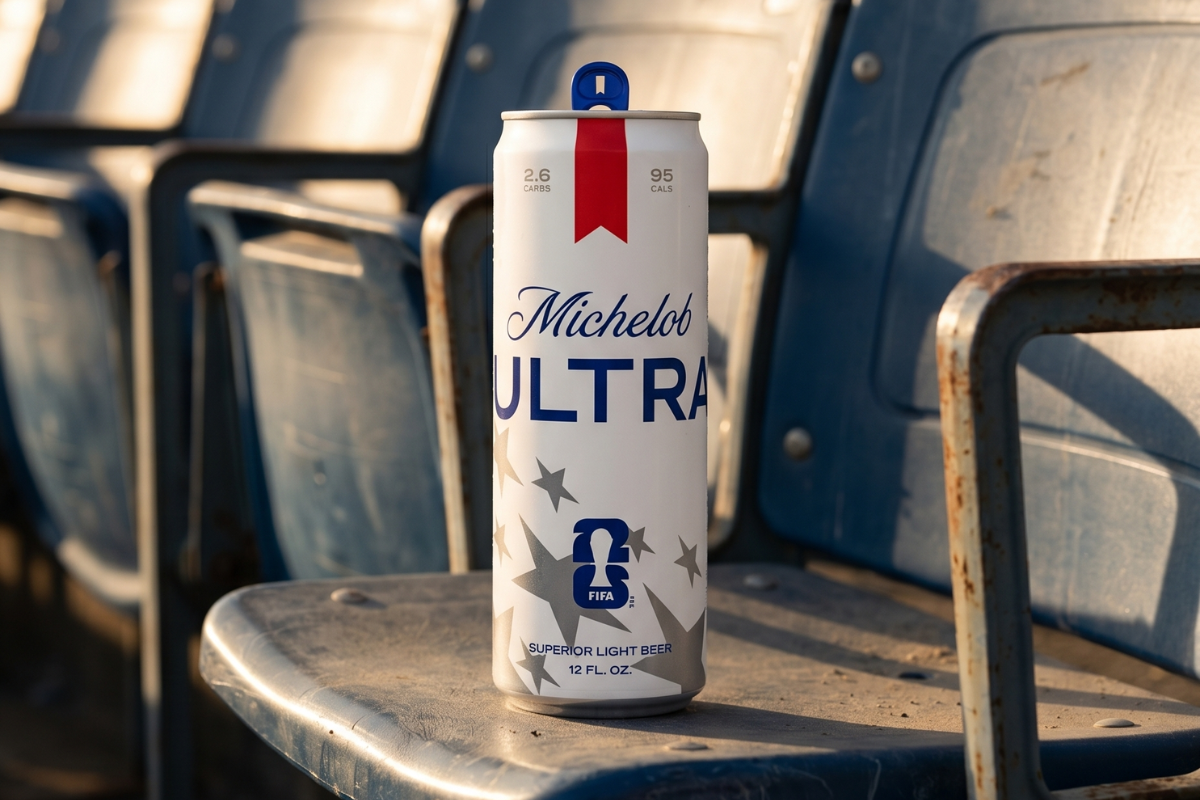
Put the forty-year arc in one line: the sport restricted the drink, a host overruled the sponsor, the dry World Cup broke records, and now the beer company itself is hedging. Against all of that, a 4 a.m. last call reads less like a celebration of football culture than a misreading of it.
Every match, in the East Village
No More Cafe showed every match of the tournament at 352 E 13th Street, from the noon kickoffs through the 10 p.m. whistles, with cocktails built from real ingredients and actual culinary technique, espresso for the early matches, and food that holds up across extra time. The rest of the football world separates the match from the drink by law. We do it by choice, and the room is better for it. If your crew wants the place to itself, we do private buyouts.
Enjoy the 4 a.m. window if that is your tournament; it expires July 21 either way. But the sport you are watching figured out a long time ago that the match carries the night on its own. A hundred years of football history says the game is the point. We just built the room that agrees.