Share
Kratom Explained: What It Is, Where It's Legal, and Why It's Everywhere in 2026
What it is, how big it has quietly gotten, and why the rules around it make so little sense
In Florida, you can sit down at a kava bar and order a kratom tea, brewed from the leaf and served by someone who does it all day. In New York City, that same drink is illegal. The health department treats kava and kratom teas as adulterated food and has spent years shutting down the cafes that serve them, a position a federal judge backed in 2025. And yet two blocks from any of those cafes, a bodega will sell you a two-ounce kratom extract, many times stronger than a brewed tea, off the shelf, to anyone over 21. The strongest version of this is for sale at the register. The mildest version, made by someone trained to measure it, is the one New York shut down.
We write about the whole non-alcoholic world, and kratom has muscled its way into it. More and more it is sold as an alcohol alternative: the euphoric seltzer, the two-ounce wellness shot, the thing you reach for instead of a drink. That alone makes it our subject. Here is what it actually is, how big it has quietly gotten, and why the rules around it make so little sense.
What kratom actually is
Kratom comes from Mitragyna speciosa, a tree in the coffee family native to Southeast Asia. Its leaves contain two alkaloids that do most of the work: mitragynine, which is the bulk of it, and 7-hydroxymitragynine, usually called 7-OH, which makes up under two percent of the alkaloids in a raw leaf. Both act on the body's mu-opioid receptors, the same family of receptors that opioids act on. At a low dose the effect tends toward stimulant, more energy and focus. At a higher dose it tilts sedative and pain-dulling.
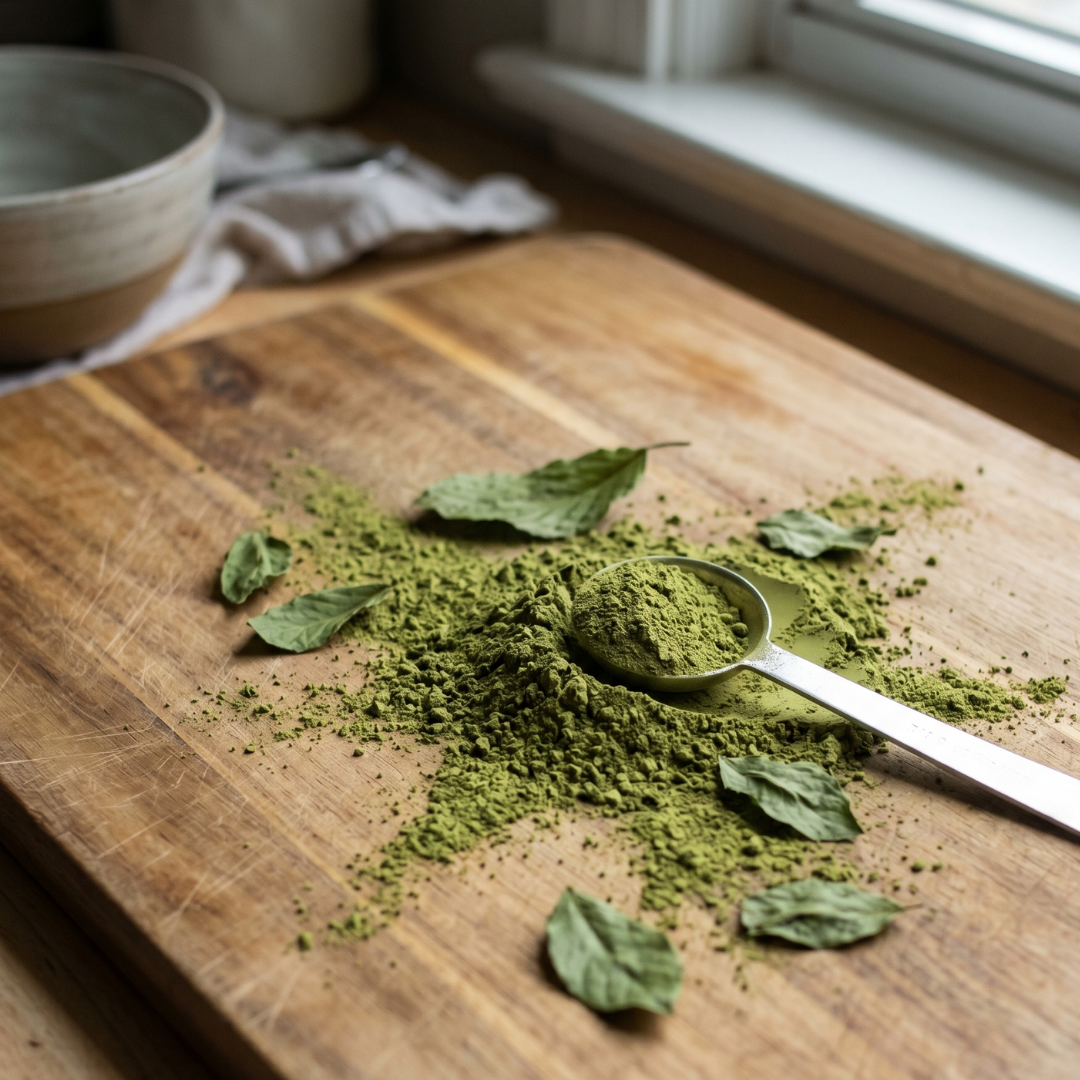
Traditionally it was the raw leaf, chewed fresh or brewed as a tea. The modern American product is a different animal: powders, capsules, concentrated extracts, liquid shots, and increasingly tablets of semisynthetic 7-OH that bear little resemblance to a leaf brewed in a field. That distance between the plant and the product is where most of the trouble lives.
From Thai fields to American gas stations
For generations, laborers in Thailand, Malaysia, and Indonesia chewed kratom leaf the way other places lean on coffee or coca, for stamina through a long day and relief from aches. It carried real cultural weight long before it carried a barcode. Indonesia is now the engine of the export market that feeds the United States.
The American surge runs on a few promises: pain relief, a way to step down from opioids or away from alcohol, energy and focus, and a natural-sounding lift for the recovery and sober-curious crowd. Add total retail ubiquity, smoke shops, kava bars, gas stations, a thousand online storefronts, and you get a substance that is everywhere and almost nowhere properly explained.
A booming market, barely watched
By any measure, this is no longer fringe. The American Kratom Association puts the number of US kratom consumers near 15 million and the domestic market around 1.5 billion dollars, though federal surveys count far fewer regular users, closer to 1.7 million. The gap tells you how little anyone actually agrees on. What is not in dispute is the direction. SPINS data put mainstream retail sales, the gas stations and convenience stores, at roughly 440 million dollars in a single recent year, up about 22 percent. The kratom and kava drink category alone is estimated around half a billion dollars and climbing at double digits.
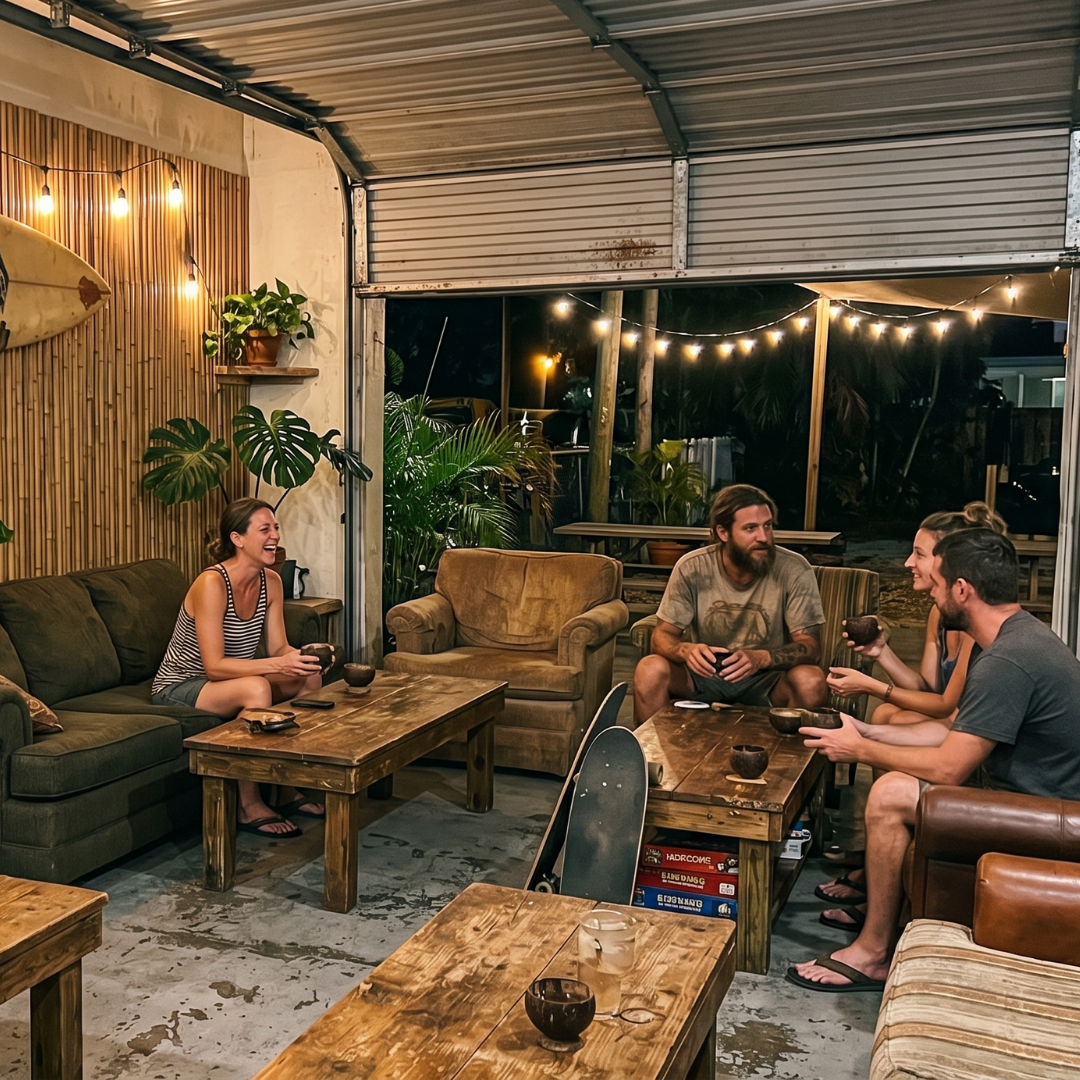
The physical footprint is growing with it. There are somewhere between 300 and 500 kava bars in the country now, up roughly threefold in three years, and most of them serve kratom tea alongside the kava. Florida alone has more than 75 and calls itself the kava capital. These are the rooms where kratom looks most like what it is sold as: a social, alcohol-free way to feel something in a comfortable chair.
The brands have landed on the same pitch. At the gas-station counter the names are MIT45, OPMS, OPIA, and a wave of concentrated 7-OH shots. On the drinks side, the aim is squarely at the person cutting back. Feel Free, the small blue two-ounce tonic from Botanic Tonics, ran more than a thousand Instagram ads under the hashtag alcohol alternative. New Brew sells a kratom-and-kava euphoric seltzer promising non-inebriating bliss, a drink built to sit on the shelf next to the beer it wants to replace. The framing is always wellness, always the better choice. The fine print is an opioid-active alkaloid with a real dependency profile.
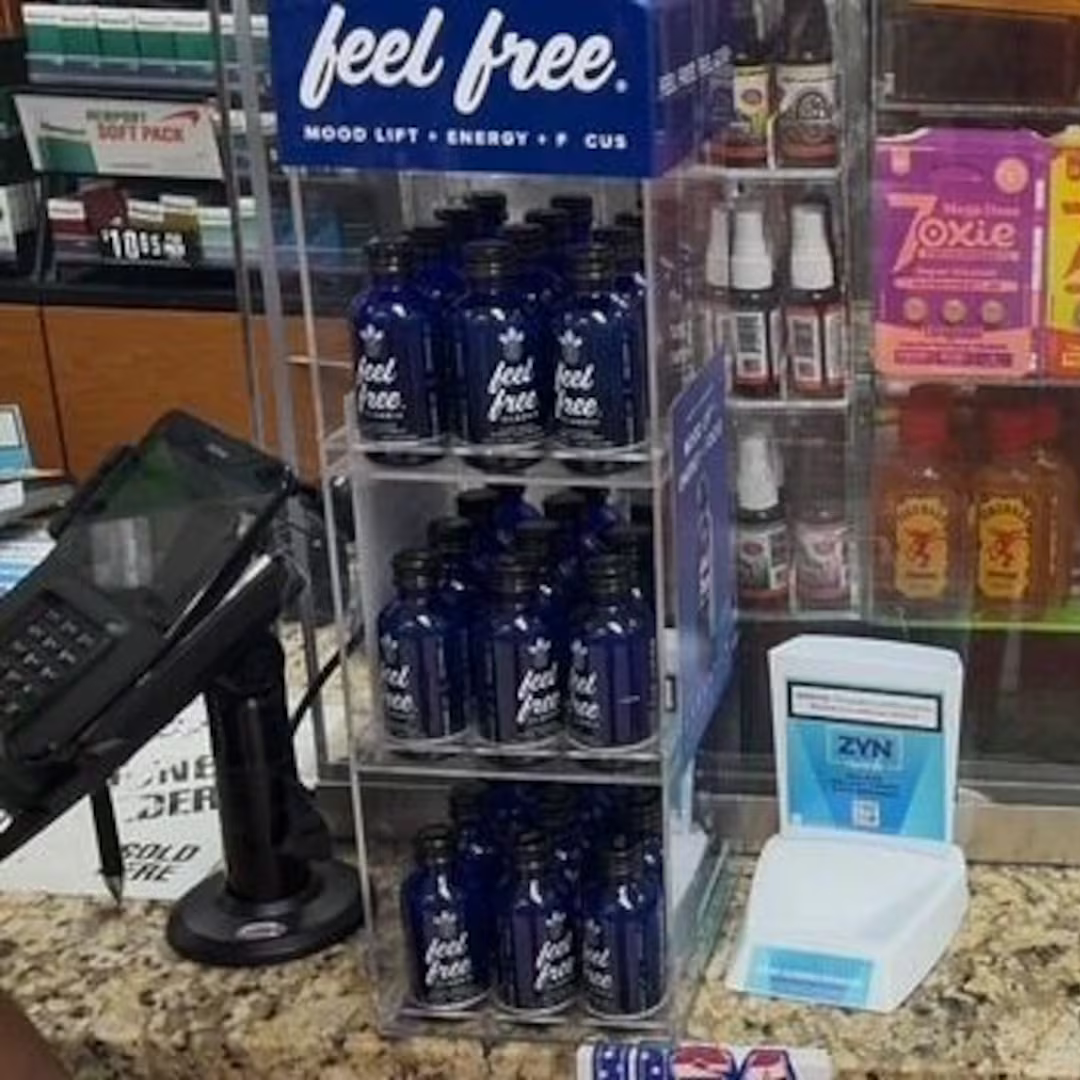
That marketing is starting to catch up with the sellers. Botanic Tonics settled a class action for 8.75 million dollars in 2025 over claims it sold Feel Free as a healthy alcohol substitute without warning that kratom is addictive, and it now faces a wrongful-death suit and is fighting state regulators in court. The 7-OH crackdown is hitting harder still: as states banned the concentrate, some sellers reported sales dropping about 60 percent almost overnight. A booming category and a regulatory reckoning are arriving at the same moment.
What you can't see
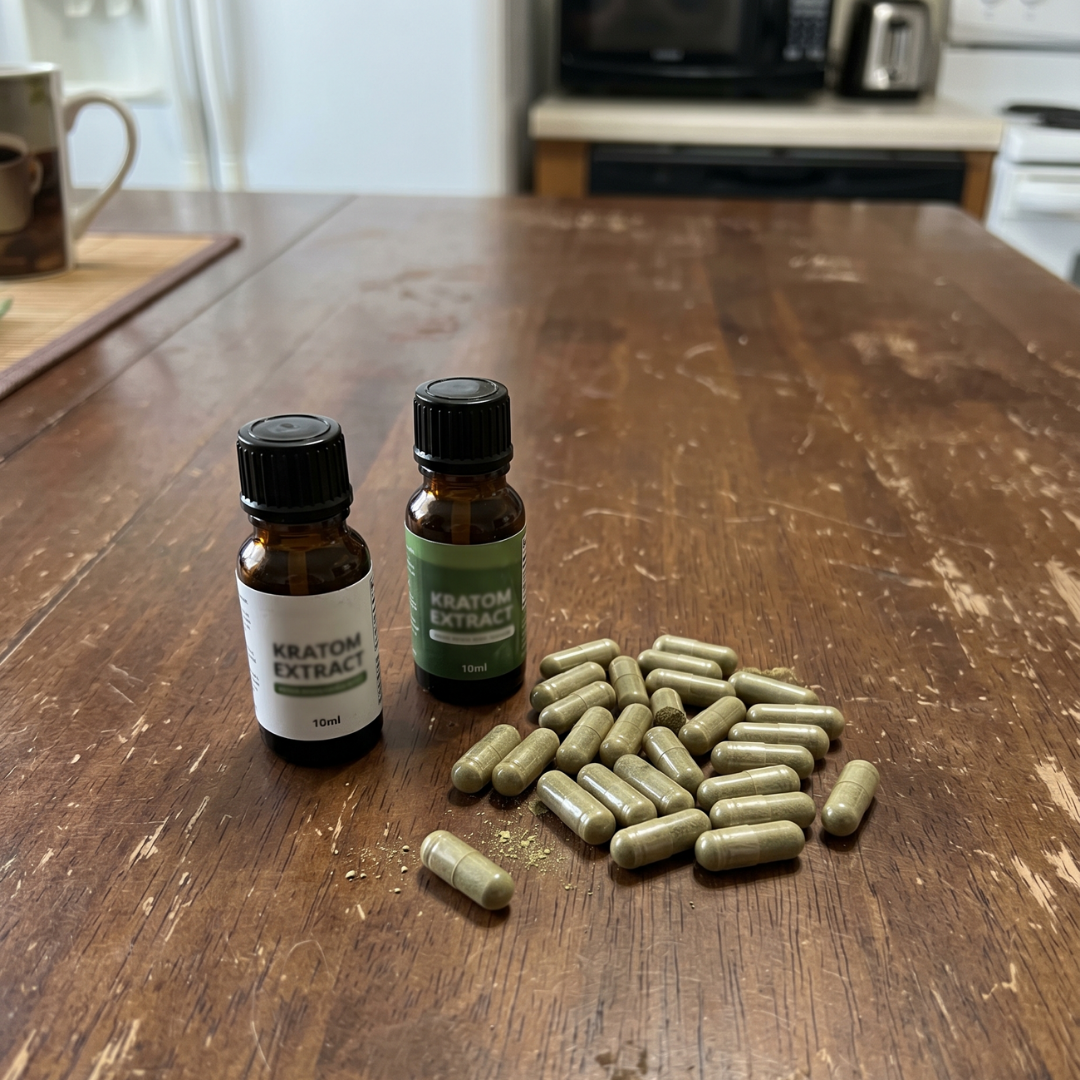
The bottle on the bodega shelf is a concentrate. A two-ounce extract or a handful of capsules can run many times stronger than a brewed leaf, and nothing on the label reliably tells you how strong, or what else is in it.
That is the gap between the plant and the product. A leaf steeped in water is one thing. A shot engineered for potency, with no standard behind it, is another.
The distance between a leaf brewed in a field and a semisynthetic tablet engineered for potency is where most of the trouble lives.
The 7-OH problem
Here is the honest part. Kratom is not harmless. Regular use can produce dependency and a real withdrawal, dosing is inconsistent, and contamination is a documented risk, with past recalls over salmonella and heavy metals. Adverse events and deaths have been reported, most often when kratom is combined with other drugs, exactly the situation a measured, labeled product is supposed to prevent.
The sharpest flashpoint in 2025 and 2026 is concentrated 7-OH. Remember that 7-OH is a small fraction of a natural leaf. Concentrate it, or make it semisynthetically, and you get a product that hits the opioid receptor far harder than plain mitragynine does. These are the tablets and shots showing up at the register, and they are the reason the federal conversation got serious. The important distinction, the one most coverage blurs: regulators are targeting concentrated 7-OH, not the natural leaf. Collapsing the two is how this debate goes sideways.
The legal map in 2026
At the federal level, natural kratom leaf remains legal and unscheduled. The Drug Enforcement Administration announced an intent to schedule it back in 2016, then pulled the plan after public and congressional backlash, and that retreat is the origin of the modern fight. The Food and Drug Administration has never treated it as a lawful dietary supplement or food additive and keeps import alerts in place, but it has not banned the plant and does not, in practice, raid the kava bars brewing it.
On July 29, 2025, the FDA formally recommended that the DEA place concentrated 7-OH in Schedule I. As of June 2026 the DEA has not published a proposed rule, and any scheduling would still run through a public comment period before it took effect. The politics are live: in March 2026 Representative Rob Bresnahan urged the DEA to use emergency authority against 7-OH, while 51 members of Congress have warned against a broad ban. That tension, protect the natural leaf while restricting the concentrate, is the real fault line.
The states are a patchwork. Nine ban kratom outright, including Connecticut, whose ban took effect in March 2026. Tennessee just signed a full ban, effective July 1, 2026, that makes possession a misdemeanor and sale a felony. Florida, by contrast, keeps kratom legal for adults, which is why its kava bars can put kratom tea on a printed menu. Rhode Island became the first state to reverse a ban, in April 2026. More than 30 states regulate it under Kratom Consumer Protection Act rules, and several, Louisiana, Mississippi, Florida, and Colorado among them, have banned concentrated 7-OH while leaving leaf alone. New York never wrote its own line on what counts as alcohol at all, which is why a grocery register cards you for a 0.4 percent beer.
The New York contradiction
Here is where New York gets strange. The state's actual new kratom law, signed at the end of 2025, does two things: it bars sales to anyone under 21 and requires a warning label noting the health risks and that the product is not FDA approved. That is the retail side, and the concentrated extracts and capsules on the bodega shelf, whose potency and contents are not standardized or tested in any way a buyer can see, clear that bar easily.
Serving it is a different story, and in New York City it runs into the health department. The city treats kava and kratom teas as adulterated food under its health code, and it has spent years issuing summonses and shutting down the cafes that brew them. In August 2025, a federal judge upheld the city's ban on steeped kava, reasoning that adding the plant to water turns it into an unsafe food additive. The same logic covers kratom. This is not how it works everywhere. In Florida, kava bars openly brew and serve kratom tea off a printed menu. New York City has simply decided the brewed leaf is the thing it will not allow inside a licensed venue.
So picture the two side by side on one East Village block. The bodega sells a two-ounce extract, many times stronger than any tea, to anyone over 21, with a label and no testing you can verify. The cafe that would steep actual leaf into a weak tea, measure it, and tell you exactly how much is in the cup gets a summons. The strongest, least understood version is fine. The mildest, most transparent version is the one the city forbids. New York decided the careful version is the problem and the gas-station version is somebody else's. It is hard to look at that and call it a public-health strategy.
The strongest version is for sale at the register. The mildest version is the one New York shut down.
The rest of the world
Globally the map is just as uneven. Thailand, which once jailed people over kratom, took it off the narcotics list in 2021, and adults there can now grow, trade, and consume it freely. The United Kingdom has banned it since 2016, and Europe is a patchwork, legal in the Netherlands, controlled or banned in France, Belgium, Sweden, and Ukraine. Australia sits at the hard end, where kratom has been a prohibited substance nationwide since 2005.
This pattern is nothing new
Full disclosure: I like kratom. For me it does what a fourth cup of coffee used to, a clean source of energy without the jitter and the crash. So this is not a warning to stay away from the plant.
It is the same story we have watched play out a dozen times. Something with real value shows up, a few people and companies push the most extreme version of it for market share, hook their customers, and ruin it for everyone else. Then a system that never bothered to understand what it was looking at reaches for the only tool it trusts: ban the whole thing. Not the bad actors, not the concentrate, the whole thing.
So I think it gets worse before it gets better. Honestly, I would bet on kava bars in Florida being forced to close in the next few years before a single one is allowed to open in New York. The careful version loses either way, and that is the part worth being angry about.
Editorial note. This piece is informational, not medical or legal advice. Kratom carries real risks, including dependency and dangerous interactions with other substances, and its legal status varies widely by state and country. Anyone using it to manage pain, opioid use, or alcohol use should talk with a qualified clinician. For substance-use support, the SAMHSA National Helpline is 1-800-662-4357.