Share
Beer, Wine, Spirits, and Now THC: The Fight Over Who Gets to Sell Them Just Got Bigger
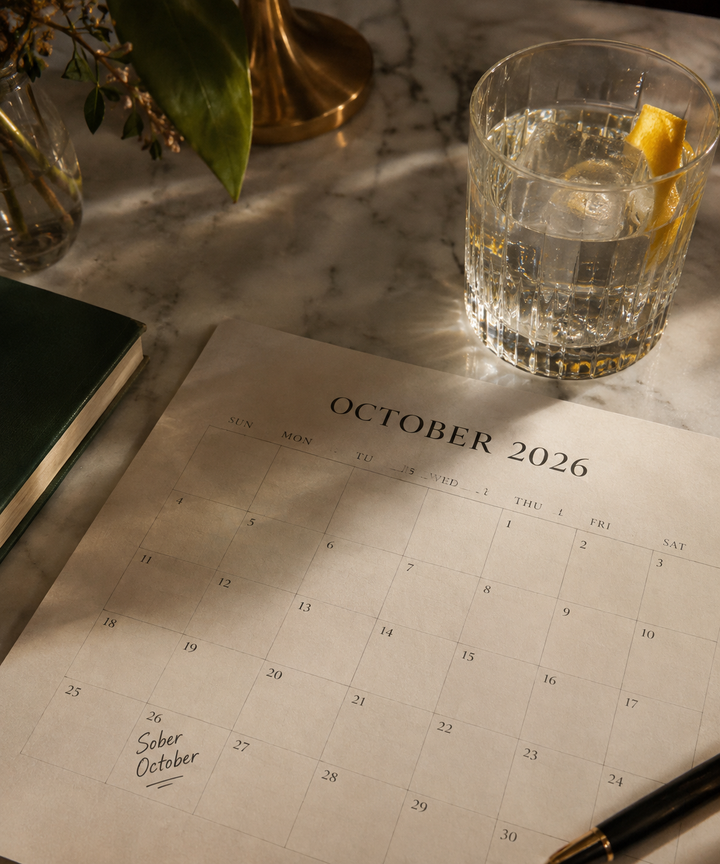
Most THC drinks lose their federal legal status on December 11. The arguments around them sound new. In New York, the same fight has been running over wine since 1934.
THC drinks have a deadline. Congress moved the federal ban once already, and on December 11 most hemp THC drinks lose their legal status. The debate is usually framed as safety and kids, but look at who is actually fighting. In New York, licensed dispensaries want to keep THC to themselves. A bill in Albany would let liquor stores sell THC drinks too. Delis and bodegas already sell them with no license at all. And one of the main proposals in Congress to save the drinks would tax and regulate them like alcohol, which we covered in are THC drinks still legal.
So if you want to know where THC drinks are going, look at how alcohol gets sold. In New York, who gets to sell a drink is decided by the license on the wall, not by what is in the bottle. That is why a grocery store can sell you a case of beer and not a bottle of wine, and a liquor store can sell you a bottle of wine and a lottery ticket and not a can of seltzer.
How alcohol gets sold in New York
A grocery store holds a license to sell beer to take home, plus wine coolers up to 6 percent alcohol. No bottle of wine and no bottle of spirits, however big the store is.
A liquor store holds the opposite license. It sells wine and spirits, and the law lists everything else it may carry: lottery tickets, corkscrews, ice, glasses, wine racks, gift bags, publications "including prerecorded video and/or audio cassette tapes," and water, as long as it is "non-carbonated, non-flavored." So no beer, no seltzer, no mixers, and no non-alcoholic wine or spirits, a gap covered in why you get carded for non-alcoholic beer.
The law also says one owner, one liquor store. That is why the liquor store on your corner is almost always an independent shop, and why there are between 3,000 and 4,000 of them across the state.
Why it was built this way
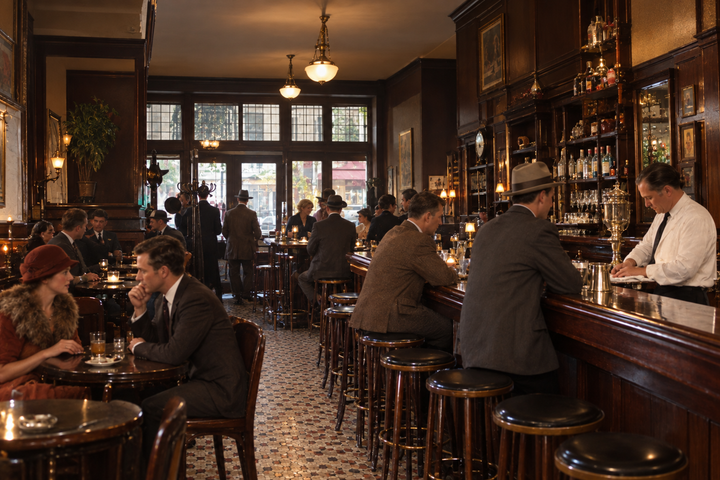
The law dates to May 10, 1934, five months after Prohibition ended. Before Prohibition, brewers and distillers financed saloons, and the saloon sold only their brand. The new law split the business into three tiers: producers sell to wholesalers, wholesalers to retailers, and no tier may own another. It named its purpose as "fostering and promoting temperance." In practice the license became the asset.
Thirty years later, after a grand jury investigation of the State Liquor Authority, Governor Nelson Rockefeller appointed a Moreland Commission to reexamine the whole law. In 1964 it recommended letting supermarkets sell alcohol so that "the New York consumer will receive the overdue benefits of modern merchandising practices and one-stop shopping," and it recommended ending the one store rule. The Legislature took several of its other recommendations that year. It did not take those two. Both rules are still in force.
In 1964 the state's own commission told New York to put wine in supermarkets. It is still waiting.
The fight that comes back every year
In 2009 Governor David Paterson put wine in grocery stores into his budget: about 19,000 more stores and an estimated $105 million in fees. Liquor store owners organized as the Last Store on Main Street, and he withdrew it. Senator Liz Krueger has filed a wine in grocery bill session after session since, and it has died every time, most recently in committee this June.
In September the request got bigger. Wegmans, Walmart, Target, Amazon and Instacart, in a new coalition, now want to sell wine and spirits. United Bodegas of America joined them, with an eye on the canned cocktails that only a liquor store may sell today. Assemblymember Amanda Septimo of the Bronx said the conversation should include "wine, liquor, THC beverages." Stefan Kalogridis, president of the New York State Liquor Store Association, called it "a matter of greed" and added: "It happens every year."
The liquor stores lose their own fights the same way. A bill to let them sell non-alcoholic wine, beer and spirits has passed the Senate twice and died in the Assembly twice. A bill to let an owner hold two stores cleared a Senate committee 9 to 0 in April and went no further. Its sponsor points out that a cannabis retailer in New York may already hold three.

Who is for it, and who is against it
For. Supermarket chains, big retail, Instacart, United Bodegas of America and some wineries. Their case: 40 other states allow it, a 2025 Siena poll put support at 78 percent, and their own study estimates $372 million a year in new economic activity.
Against. Three liquor store associations that say they speak for more than 3,500 stores, joined by 13 local presidents of the UFCW, the grocery and retail workers' union, who warned of hundreds of lost jobs. Their case: wine is over 55 percent of most liquor stores' sales, shoppers will move purchases rather than add them, and Colorado. To grocers, they wrote, wine is "no different from candy."

Is it like this everywhere?
No. About 40 states let grocery stores sell wine, and New York is one of roughly ten that do not. Four states made the change in the last decade, and the two most studied went opposite ways.
Tennessee let grocery stores sell wine in 2016. Researchers at Michigan State, in a study first commissioned by the grocery industry's trade group and later published in the American Journal of Agricultural Economics, found no significant rise in liquor store closures and wine tax revenue up about 22 percent.
Colorado followed in 2023, and about 1,900 beer licenses converted overnight, roughly doubling the places selling wine. Independent owners reported sales falling 30 to 40 percent. The state's count of liquor store licenses fell from 1,603 to 1,572 in eighteen months, a number the Denver Gazette notes undercounts closures. In 2025 Colorado pulled back part of the way, blocking grocery chains from new liquor licenses through their pharmacies.
The grocers' consultants looked at all four states and found little harm. New York's liquor stores say about 100 stores have closed in Colorado alone. Both sides study the same states and come back with opposite answers.
THC drinks are walking into the same system
Back to the deadline. In New York, Senator Jeremy Cooney's bill would let liquor stores sell THC drinks up to 5 milligrams, a product that today belongs to the licensed dispensary. Osbert Orduna, who runs a dispensary in Queens, told the New York Post: "If we can't sell alcohol, why should liquor stores sell cannabis?" The governor's office has called the unlicensed bodega trade untenable and says it could be a priority next year.
It is the wine fight with the roles flipped. The liquor store that keeps wine out of the supermarket would get a new shelf, and the dispensary is the one defending its license.
The liquor store that keeps wine out of the supermarket would get a new shelf, and the dispensary is the one defending its license.

The drink was never the question
A case of beer at the supermarket. Wine and a lottery ticket at the liquor store. A THC drink at the dispensary, and at the deli down the street without a license. Every line was drawn around a seller.
Whatever Congress does in December, a THC drink that survives will land inside a system like this one, and the fight will be over whose license it lands under, not what is in the can. New York has been having that fight about wine for ninety years.
The next session opens in January 2027. Wine, spirits and THC drinks will be in front of the same Legislature.


Make sure to follow us on Instagram for new blog posts and event updates, or come visit us in the East Village.
Follow @nomore_cafeEditorial note. This piece is informational, not legal advice. It reflects New York and federal rules and the status of the bills named as of October 1, 2026; all of them are actively changing.