Share
Does Ozempic Make You Drink Less?
Yes, for a lot of people. The bigger question is how worried the alcohol industry should be, and what these drugs treat next.
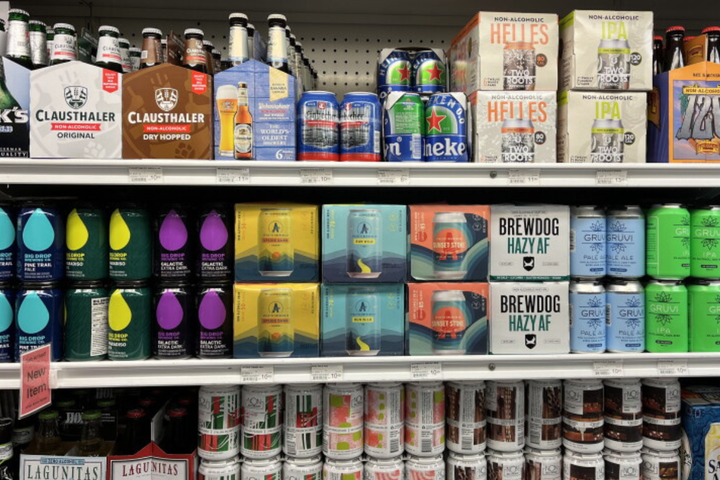
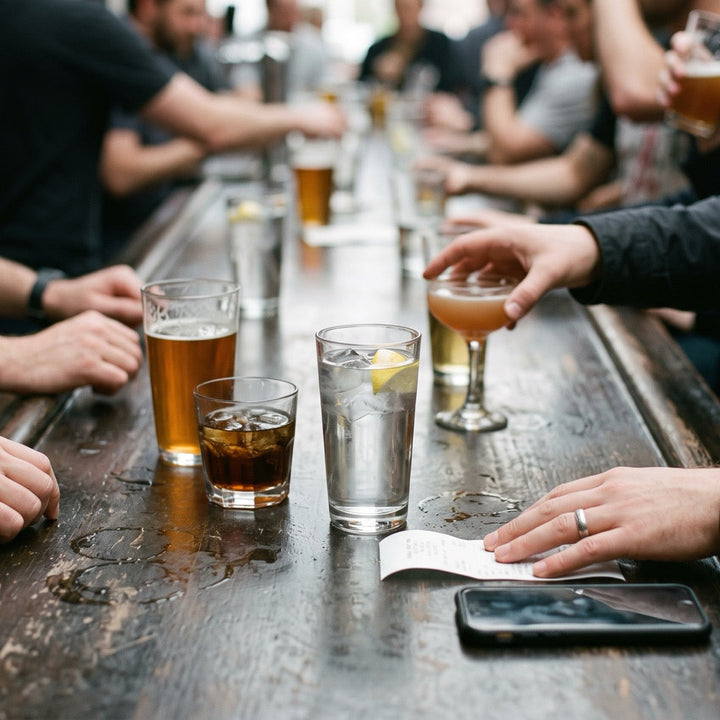
People are drinking less, and they are doing it for a hundred different reasons. Health, cost, a bad experience, a pregnancy, better sleep, a generation that just never built the habit. It is not one size fits all, and anyone selling a single tidy explanation is flattening something that is genuinely messy. The non-alcoholic space understands that better than most.
One reason in that mix does not get the credit it has earned: GLP-1 drugs, the Ozempic and Wegovy class. The coverage treats them as a diet story, all smaller plates and skipped desserts. But the same chemistry quietly turns down the wanting for a drink, and it has been taking a real and growing share of the reasons people give for drinking less. Not the whole story. Just a bigger part of it than the conversation admits.
How many people we are talking about
Start with the size of it, because the number is easy to underrate. About one in eight American adults is currently on a GLP-1 drug, according to KFF polling. Nearly one in five has taken one at some point, and the current share roughly doubled in eighteen months. This is not a fringe of biohackers or a coastal trend. It is a mainstream group, and it grows every quarter.
Whatever these drugs do to a person's relationship with alcohol, they are doing it to a slice of the population that keeps getting bigger. That is enough to earn GLP-1 a real seat in the conversation about why drinking is down, next to the health and cost and generational reasons, rather than a spot off to the side as a weight-loss footnote.
It quiets the drink, not just the appetite
The question people actually type, does Ozempic make you drink less, has a short answer for a lot of them: yes. And it happens for a physical reason, not a moral one. These drugs act on the same reward system alcohol does. They quiet the signal that makes the next drink sound like a good idea, and they slow how fast alcohol reaches the blood, so the same pour lands softer. The desire gets turned down at the source.
The behavior follows. A Cornell analysis found GLP-1 households buying less alcohol, with the heaviest drinkers cutting the most, and one bank survey found roughly a quarter of users had stopped drinking altogether. Nobody in that survey framed it as sobriety. They were not trying to quit. They simply found that the drink had lost its pull, which is a stranger and more interesting thing than a resolution, because it happened to them rather than being chosen.
These people did not decide to drink less. The wanting got turned down, and the behavior followed. That is a different thing than sobriety, and there are more of them every month.
It might not stay a side effect
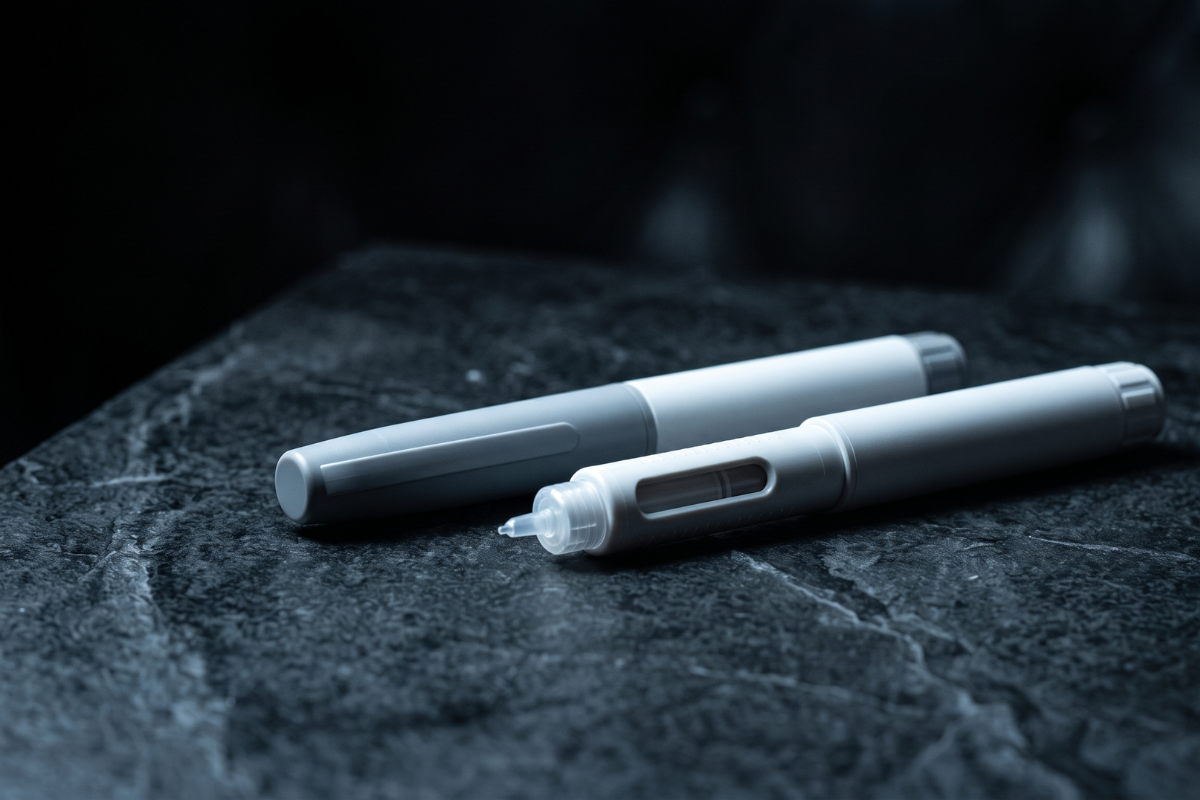
It is worth remembering these drugs did not begin as anything to do with drinking, or even with weight. They started as a diabetes treatment. Weight loss was the side effect that turned them into a phenomenon. Now a second side effect, the quieting of craving, is being studied on purpose. The National Institute on Drug Abuse and its alcohol counterpart are running trials on GLP-1 drugs for alcohol use disorder, with early work reaching into nicotine and opioids as well. None of it is approved, and the results so far are mixed. But the arc is hard to miss: a diabetes drug that became a weight-loss drug, and might become an addiction drug.
For alcohol, that is a double hit. Right now the effect is incidental, people drinking a little less without meaning to. If these drugs are ever prescribed specifically to treat drinking, the same molecule stops being an accident and becomes a tool pointed straight at the category. One side effect already trims the edges. The other, if the research holds, goes after the center.
A different kind of drinking less
This matters for the non-alcoholic space because it changes who the audience actually is. The sober curious story is about intention: people deciding, for health or clarity or principle, to drink less and looking for something good to hold instead. That group is real, and the category has served it well. But it was always a group defined by a choice.
GLP-1 adds a second group that never made the choice. Millions of people are now drinking less not because they set out to, but because a medication turned the volume down without asking. They are not sober, they are not on a challenge, they did not swear anything off. They just want alcohol less than they did a year ago, and they still want to go out, still want something in the glass worth ordering. The category that only knows how to speak to the intentional abstainer is going to miss most of them.
The new arrivals
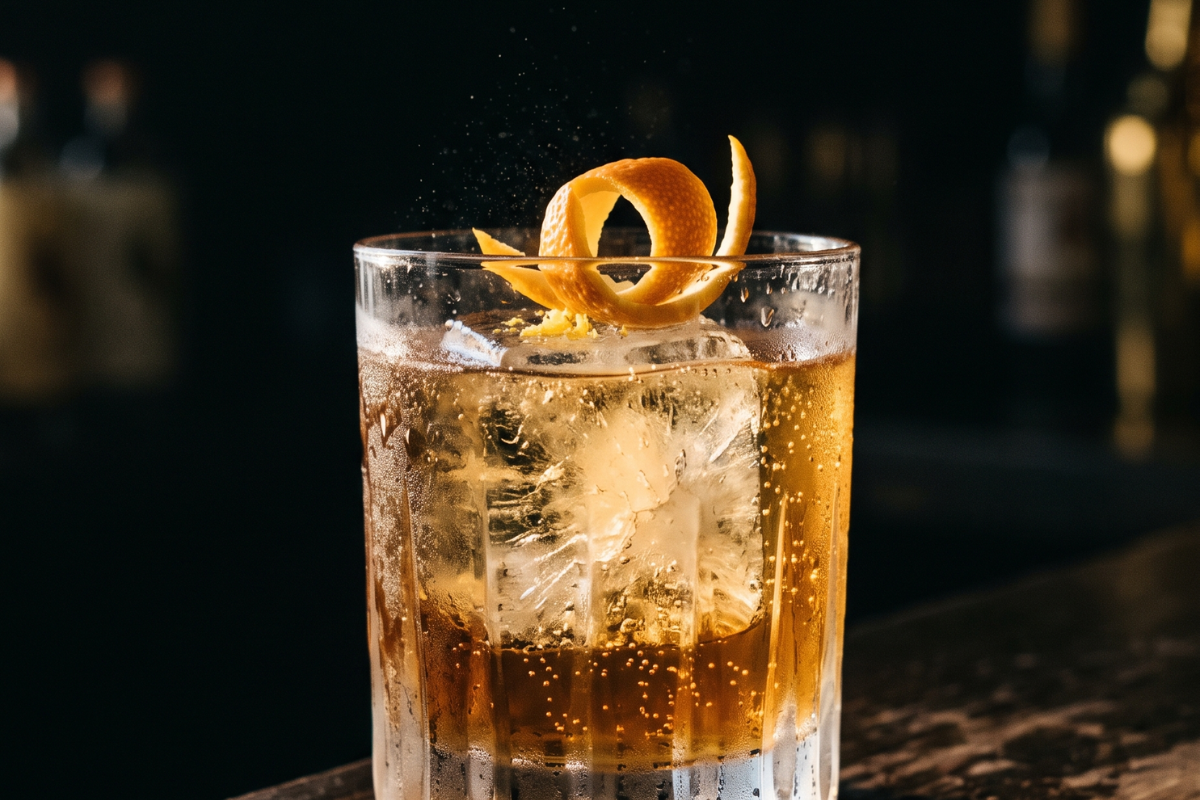
One in eight adults is on a GLP-1 drug. The share doubled in eighteen months and keeps climbing.
In one survey, roughly a quarter of users had stopped drinking entirely, and not one of them called it sobriety. A growing audience for a good drink with no alcohol in it, arriving without a single resolution between them.

Fewer drinks, higher standards
Here is the part that should interest anyone making a drink with no alcohol in it. When people drink less, for any of these reasons, they do not only drink less. They get more particular. A person having one drink instead of three is not going to spend it on something forgettable. The fewer drinks in a night, the more each one has to earn its place.
So options and quality matter more now than they did when everyone drank freely and a thin afterthought could pass. The people cutting back are quietly becoming the most selective drinkers in the room, and they are looking for something built with real ingredients and worth choosing on its own terms. That is the standard we work to, and it was the job before Ozempic and will be the job long after the next drug arrives.
Editorial note. This piece discusses medications in a market and cultural context. It is general information, not medical advice. No GLP-1 drug is approved by the FDA to treat alcohol use or any other addiction, that research is still early and its results mixed, and these medications carry real side effects. If you are weighing one for any reason, talk to a doctor.